UAE Real Estate for Foreigners
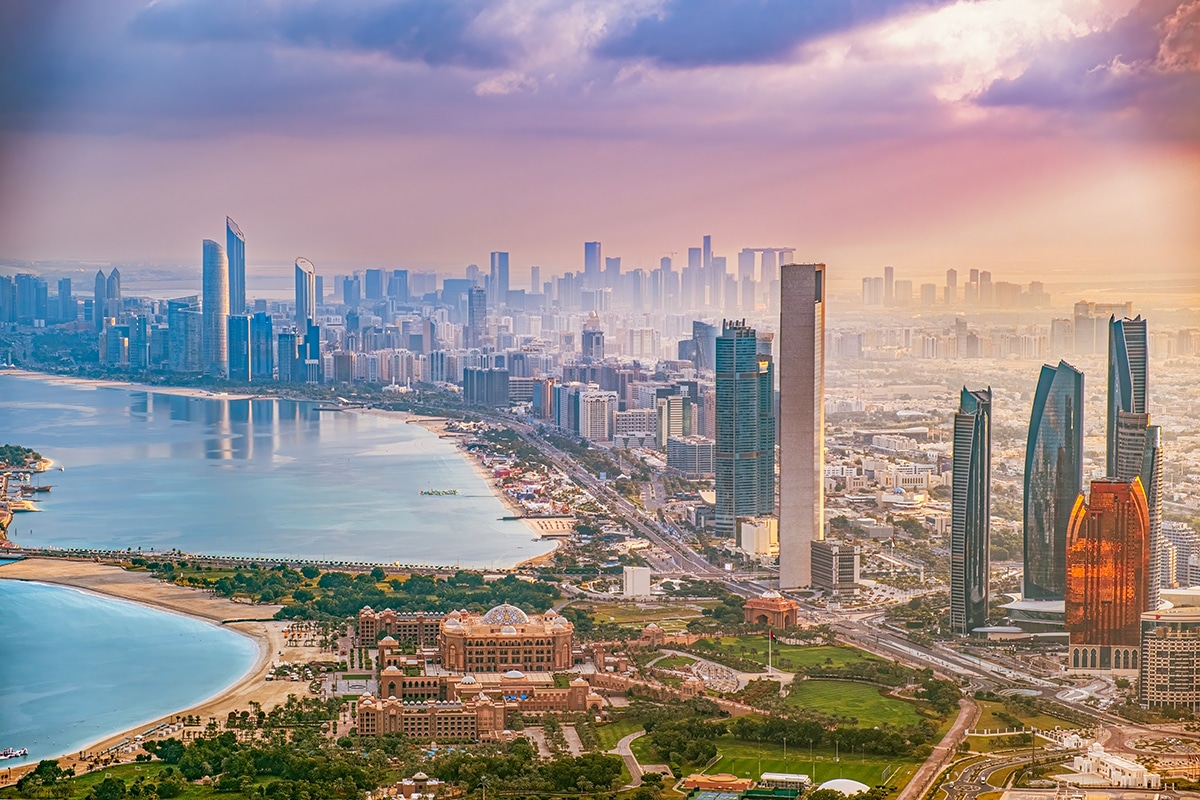
The UAE stands as one of the world’s leading investment destinations, offering a diverse and lucrative real estate market. Known for its tax-free environment, modern infrastructure, and prime location, the country provides attractive opportunities for foreign nationals seeking to invest in real estate. Whether you're looking to buy a luxury villa, an apartment, or even commercial property, the UAE offers multiple options for foreigners. This guide will explore the essential aspects of investing in UAE real estate, including the legalities, popular investment zones, and opportunities available to international buyers.
Why Invest in UAE Real Estate?
Several key factors make the UAE an appealing location for foreign real estate investment:
- Economic Stability and Growth: The UAE boasts a robust economy, diversified across sectors such as finance, tourism, and technology. Economic stability ensures that real estate investments continue to appreciate, offering solid long-term returns.
- High Rental Yields: Real estate in the UAE is known for its high rental yields, especially in popular cities like Dubai and Abu Dhabi. Investors can benefit from attractive returns on rental properties, often higher than other major global markets.
- Tax-Free Environment: The absence of property taxes, capital gains tax, and income tax is one of the most significant incentives for foreign investors in the UAE. This tax-free environment allows investors to keep more of their returns.
- World-Class Infrastructure: The UAE is home to modern infrastructure, from luxury residences to commercial buildings. Continuous investment in infrastructure means that property values remain competitive, making it an ideal location for real estate investment.
Strategic Location: Situated at the crossroads of Europe, Asia, and Africa, the UAE is a hub for international business and tourism, which drives demand for both residential and commercial properties.
Popular Areas for Foreign Ownership in the UAE
The UAE offers a variety of zones where foreign investors can purchase property, each with its own unique appeal:
- Freehold Areas: Foreign investors can buy property with full ownership rights in designated freehold areas. In Dubai, these include high-demand locations such as Palm Jumeirah, Downtown Dubai, and Dubai Marina. Abu Dhabi offers freehold ownership opportunities in Al Reem Island and Saadiyat Island.
- Leasehold Areas: In leasehold areas, foreign investors can own property for a specified number of years, typically 99 years. While leasehold ownership does not grant full rights to the property, it still offers long-term stability and investment opportunities.
Free Zones: The UAE also has free zones where foreign nationals can purchase property. These zones provide investment opportunities for both residential and commercial properties.
Legal Framework for Foreigners Purchasing Property
Foreigners wishing to invest in UAE real estate must adhere to certain legal requirements, which help ensure that property transactions are smooth and transparent:
- Property Ownership Laws: Foreigners are allowed to purchase property in freehold zones, but ownership outside these areas is restricted. Understanding the specific areas where foreign ownership is permitted is crucial.
- Residency and Visa: Investors who purchase property in the UAE may be eligible for a long-term residency visa if the property value exceeds a certain threshold. The visa provides the right to live and work in the UAE.
- Financing Options: Foreign nationals can secure financing for property purchases in the UAE. However, the loan-to-value (LTV) ratio is typically lower for foreigners, often capped at 70-80% of the property's value.
Regulatory Bodies: In Dubai, the Dubai Land Department (DLD) is responsible for property registration and regulation, while Abu Dhabi’s Department of Urban Planning and Municipalities oversees property transactions. Foreign investors must work with licensed real estate agents and legal advisors to navigate the process.
Popular Investment Areas for Foreigners
- Dubai: As the most popular destination for foreign investors, Dubai offers a wide array of high-value properties, including:
- Downtown Dubai: Home to the iconic Burj Khalifa, this area is a prime choice for luxury real estate investors.
- Dubai Marina: Known for its stunning waterfront views and luxury living, Dubai Marina is highly sought after by both locals and foreigners.
- Palm Jumeirah: This man-made island is one of the most exclusive addresses in Dubai, offering high-end villas and apartments.
- Jumeirah Beach Residence (JBR): A prime beachfront location, ideal for rental income due to its proximity to key attractions.
- Abu Dhabi: The capital city offers attractive options for foreign investors in areas such as:
- Al Reem Island: A modern, master-planned community offering a mix of residential and commercial properties.
- Saadiyat Island: Known for its cultural landmarks, high-end properties, and proximity to the city center.
Sharjah: While Sharjah has fewer options for foreign ownership, areas like Al Mamzar and Al Majaz offer affordable alternatives for expatriates looking to invest in the UAE.
Challenges of Investing in UAE Real Estate for Foreigners
While the UAE presents many opportunities, there are a few challenges to be mindful of:
- Market Fluctuations: Like any real estate market, the UAE is susceptible to fluctuations. While the market has demonstrated steady growth, investors should be prepared for potential slowdowns.
- Regulatory Changes: Laws and regulations governing property ownership can change. Keeping abreast of any shifts in property laws is important to remain compliant.
Cultural and Legal Differences: The UAE operates under a distinct legal and cultural system. Foreign investors should familiarize themselves with local practices, especially when it comes to business dealings and property ownership.
FAQ: UAE Real Estate for Foreigners
1. Can foreigners buy property in the UAE?
Yes, foreigners are allowed to buy property in the UAE. However, the property must be located in designated areas where foreign ownership is permitted, such as certain freehold zones in Dubai, Abu Dhabi, and other emirates.
2. What is a freehold area, and where can foreigners invest?
A freehold area allows foreign investors to purchase property with full ownership rights. In Dubai, popular freehold areas include Palm Jumeirah, Downtown Dubai, Dubai Marina, and Business Bay. In Abu Dhabi, freehold areas include Al Reem Island and Saadiyat Island.
3. Do foreign property owners get residency in the UAE?
Yes, foreigners who invest in property with a value above a certain threshold are eligible for a long-term residency visa. The exact amount required for this visa varies depending on the property type and emirate.
4. Can foreigners obtain financing for property purchases?
Yes, foreign investors can obtain financing through UAE banks. However, the loan-to-value (LTV) ratio for expatriates is typically lower than that for UAE nationals. Banks usually offer up to 70-80% of the property’s value as a mortgage.
5. Are there any taxes on property in the UAE?
One of the most attractive features of investing in the UAE is the absence of property taxes, capital gains tax, and income tax on rental income. This tax-free environment makes the UAE a highly attractive market for real estate investment.
Conclusion
The UAE offers foreign investors a wealth of opportunities in the real estate market, with a stable economy, high rental yields, and a tax-free environment. Understanding the legal framework, knowing the popular investment areas, and considering potential challenges will help investors make informed decisions and maximize their returns. Whether you're considering a luxury villa in Dubai or a modern apartment in Abu Dhabi, the UAE remains one of the top destinations for foreign real estate investment.