Property Investment Dubai
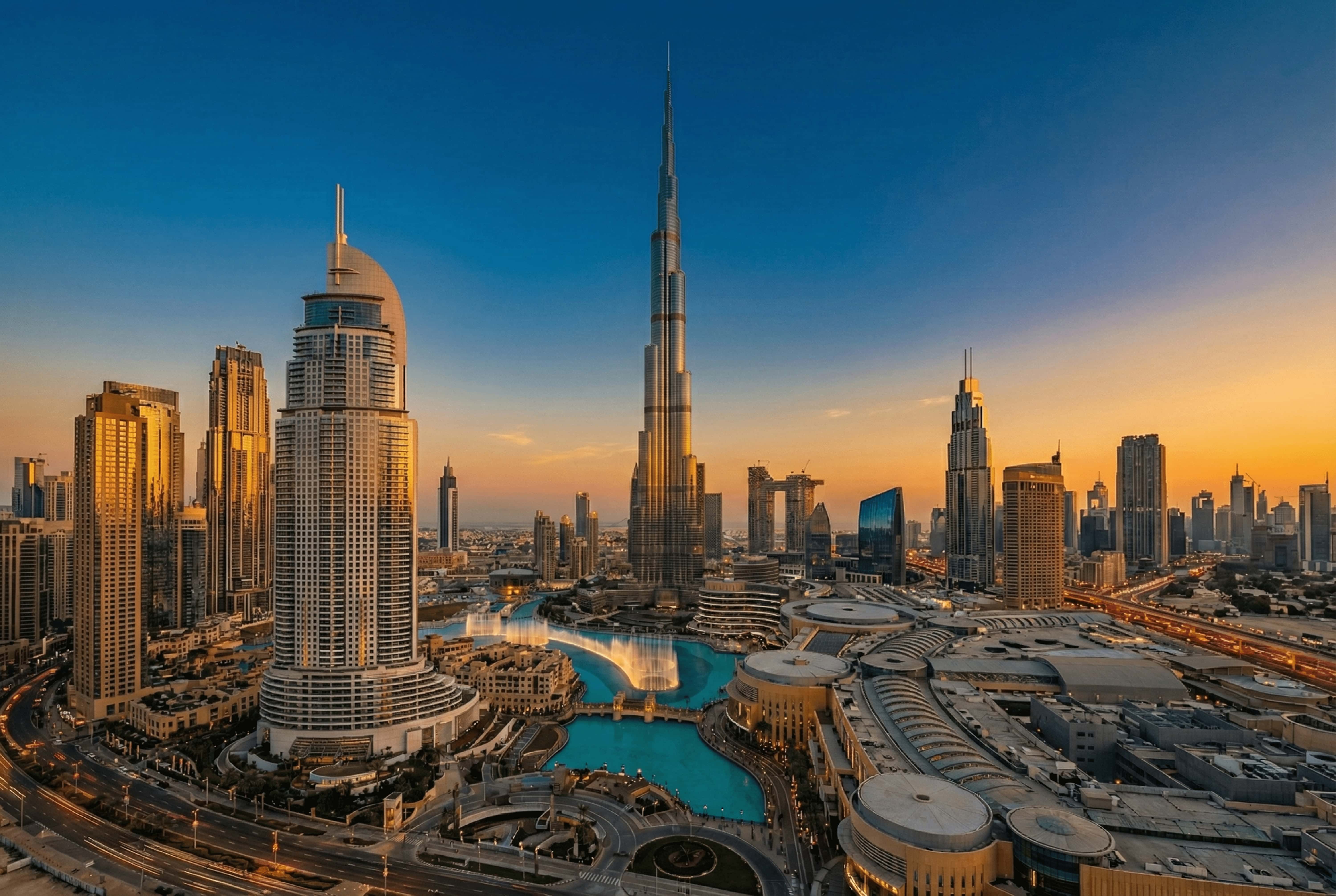
Let’s be honest. You’ve probably read numerous articles saying the same thing: "Dubai is booming," "zero tax," "high ROI." While these statements are not wrong, they don’t really offer any new insights. What you need is a comprehensive, no-nonsense breakdown of how property investment in Dubai works in 2026 — the numbers, the risks, the areas, and the realistic returns.
Whether you are a first-time buyer, an expat considering long-term ownership, or a seasoned investor looking at off-plan properties in Dubai, this is the guide you need to read.
The Honest Case for Investing in Dubai Property Right Now
People often ask: "Is it too late to invest in Dubai?"
The short answer: No.
Dubai is in the midst of a massive transformation that still has 10 to 15 years of runway. With a population target of 5.8 million by 2033 and over 18 million tourists visiting in 2025, Dubai is spending billions on infrastructure, healthcare, education, and transportation — all of which are demand drivers for real estate.
The market has seen consistent growth since the pandemic. High-net-worth individuals from Europe, South Asia, Russia, and East Africa continue to relocate to Dubai. Add in the rise of remote-working professionals and the UAE’s Golden Visa program, and Dubai has transformed from a transactional property market to a long-term residency destination.
Dubai Real Estate ROI: What Are the Actual Numbers in 2026?
Here’s where the numbers speak for themselves. Dubai real estate ROI consistently outperforms other global cities. Rental yields range from 5% to 9%, significantly higher than cities like London (3.5%), Singapore (2.5%), and New York (3%).
Yield by Property Type and Area
| Area | Property Type | Avg. Gross Yield |
|---|---|---|
| Jumeirah Village Circle | Studio / 1BR | 7.5%–9% |
| Business Bay | 1BR / 2BR | 6.5%–8% |
| Dubai Marina | 1BR / 2BR | 5.5%–7% |
| Downtown Dubai | 2BR / 3BR | 5%–6.5% |
| Palm Jumeirah | Villa / Penthouse | 4.5%–6% |
| Dubai Hills Estate | Villa / Townhouse | 5%–6.5% |
Beyond rental yields, the story of capital appreciation is even more compelling. Properties in freehold zones have appreciated 30% to 60% in value between 2021 and 2025, reflecting the market's growth and maturity.
Off-Plan Properties Dubai: The Smartest Way to Enter the Market
Off-plan properties in Dubai provide one of the most compelling entry points for investors, with several key advantages:
Why Buy Off-Plan?
- Lower Entry Price: Off-plan units are priced 15% to 25% below their expected post-handover market value, allowing you to secure an asset that will be worth more by the time you receive the keys.
- Flexible Payment Plans: Developers like Emaar, DAMAC, and Nakheel offer payment structures such as 40/60, 50/50, or even post-handover plans, where you pay the balance over 2 to 5 years after completion.
- RERA Escrow Protection: Since 2008, developers have been required to hold buyer funds in DLD-supervised escrow accounts. These funds are released only against verified construction milestones, offering strong protection for your investment.
Due Diligence Before Buying Off-Plan
- Verify the developer’s RERA registration and escrow account.
- Review the Sales and Purchase Agreement (SPA) clauses.
- Assess the developer's track record of timely delivery, particularly for new developers.
Off-plan properties are ideal for investors focused on capital appreciation, but if you need immediate rental income, it might not be the right choice.
Dubai Luxury Villas for Sale: Why the Ultra-Prime Market Is a Smart Bet
The Dubai luxury villas for sale market is performing exceptionally well. Properties on Palm Jumeirah, Jumeirah Bay Island, Emirates Hills, and Dubai Hills Estate continue to attract buyers who traditionally invested in Monaco, Mayfair, or the French Riviera.
The Investment Case for Luxury Villas in 2026
- Capital Preservation and Appreciation: The supply of premium villa plots in Dubai is limited, especially on Palm Jumeirah and Jumeirah Bay Island. Price per square foot has reached AED 6,000, still much lower than comparable locations in global cities like London.
- Short-Term Rental Premium: Luxury villas in branded communities can command high daily rental rates, with some reaching AED 5,000 to AED 15,000 during high seasons.
- Golden Visa Advantage: Purchasing property worth AED 2 million or more grants a 10-year renewable residency visa, making it a financial asset as much as a lifestyle benefit.
Expat Property Ownership in UAE: Everything You Need to Know Before Buying
Foreign nationals can now purchase freehold property in designated areas in Dubai, enjoying the same ownership rights as UAE nationals. This means full ownership, the right to repatriate rental income, and capital gains from resale.
Costs of Buying Property in 2026
- DLD Registration Fee: 4% of the purchase price
- OQOOD Fee (for off-plan properties): 4%
- Agent Commission: 2%
For non-residents, mortgage options are available with a Loan-to-Value (LTV) ratio capped at 50% for properties under AED 5 million and 40% for higher-priced properties.
Where to Buy: Area Intelligence for Every Investor Profile
For Rental Yield
Jumeirah Village Circle, Business Bay, and Arjan are prime areas offering rental yields between 7% and 9%. These are perfect for investors seeking stable returns.
For Capital Appreciation
Dubai Marina, Downtown Dubai, and DIFC are known for their constrained supply and brand equity. These areas consistently see steady price per square foot appreciation.
For Long-Term Wealth Building
Dubai Hills Estate, Meydan, and Arabian Ranches are master-planned communities that will see long-term growth as infrastructure and amenities improve.
For Short-Term Rental Income
Palm Jumeirah, Dubai Marina, and Downtown Dubai are leaders in short-term rental demand, especially for branded residences.
Risks You Must Not Ignore
- Oversupply in Emerging Corridors: Emerging areas may face lower rental yields and longer resale times.
- Off-Plan Delivery Risk: Delays can occur, so ensure you buy from reputable developers with a strong on-time delivery record.
- Currency Exposure: Investors from non-USD countries should be mindful of forex fluctuations.
- Service Charge Escalation: High-end properties can incur service charges of AED 20 to AED 45 per square foot annually, narrowing your net yield.
FAQs
1. Can a foreigner buy property in Dubai without living there?
Yes, non-resident foreign nationals can purchase freehold property in Dubai's designated freehold zones, and the title deed will be issued in their name.
2. What is the minimum investment needed to buy property in Dubai in 2026?
Entry-level investments start at AED 400,000 to AED 550,000 for a studio in Jumeirah Village Circle, with properties priced higher in established areas like Dubai Marina and Business Bay.
3. How does the Dubai Golden Visa work for property investors?
The Golden Visa grants a 10-year renewable residency to property investors who buy property valued at AED 2 million or more.
4. Is off-plan property in Dubai safe to invest in?
Off-plan property investments are safer due to RERA regulations that protect buyer funds. However, it is still essential to choose reputable developers and verify escrow accounts.
5. What are the ongoing costs of owning property in Dubai?
Owners should budget for service charges, maintenance, property management fees, and a realistic vacancy allowance.
The Future of Dubai Property: What 2026 to 2035 Looks Like
Dubai’s D33 Economic Agenda aims to double the emirate’s economy by 2033, setting the stage for continued growth and transformation. The city’s strategic focus on sustainability, cutting-edge technology, and innovation is reshaping the property landscape. Here’s a breakdown of what we can expect in the coming years:
Innovative Developments
Expect transformative growth in Dubai property market with a focus on cutting-edge designs and technological advancements. The demand for unique, futuristic architecture will rise as Dubai continues to position itself as a global innovation hub.
Sustainability at the Forefront
Green construction practices and eco-friendly buildings will become the standard. Sustainable communities, designed with energy-efficient systems and renewable resources, will take center stage. Expect properties with solar panels, green roofs, and more environmentally conscious designs.
Smart Homes & Technology
AI-powered homes and integrated smart city solutions will redefine how residents interact with their living spaces. Smart homes equipped with automation for lighting, temperature control, security, and even energy management will provide a seamless and efficient lifestyle. This technology will be a key attraction for both residents and investors.
Enhanced Connectivity
Major infrastructure projects like Dubai South and metro expansions will improve accessibility, making suburban areas more desirable. Dubai’s focus on connectivity will open up previously overlooked areas, making them ideal for investment opportunities. Areas that were once peripheral will become central as transportation and communication systems advance.
Increased Demand for Luxury & Smart Living
Luxury properties, waterfront homes, and off-plan developments will see heightened demand as Dubai evolves into a global center for innovation and business. With its growing status as a tax haven and business epicenter, Dubai’s real estate market will continue to attract high-net-worth individuals looking for both investment potential and a luxurious lifestyle.
Investment Opportunities
As the population grows and the economy diversifies, property investors can expect strong returns in high-demand sectors. Dubai’s market will be driven by continued population growth, business expansion, and diversification into tech, healthcare, and green industries. The right investment now could see substantial returns over the next decade.
Growth of Commercial Real Estate
Dubai will continue to strengthen its position as a global business hub, leading to growth in commercial property investments. The increasing demand for office spaces, co-working hubs, and retail locations will drive this growth, supported by Dubai’s appeal as a place for startups and multinational corporations alike.
Conclusion
Dubai is still in the early stages of its property growth story. With robust infrastructure and a regulatory framework supporting foreign investors, now is the time to buy if you are looking for long-term capital appreciation and steady rental yields. The Dubai real estate market is poised for significant growth, making it a prime destination for both local and international investors.