Freehold Properties in UAE
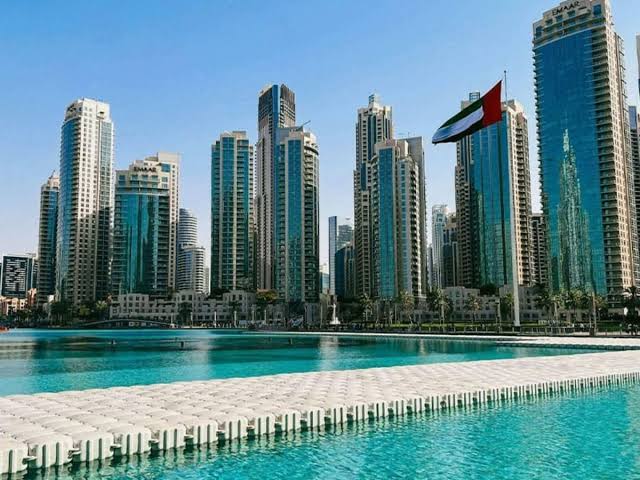
The UAE has become one of the world’s most attractive destinations for property ownership, supported by modern infrastructure, investor-friendly regulations, high-quality developments and a stable economic environment. Among the different ownership structures available, freehold properties in UAE are particularly popular with international buyers because they provide full ownership rights over the purchased property.
Foreign nationals and expatriate residents can purchase freehold real estate in locations designated for foreign ownership. Depending on the emirate and property type, buyers may acquire apartments, villas, townhouses, commercial units or land within approved investment zones.
Understanding how freehold ownership works, where it is available and what buyers should verify can help investors make confident, legally protected property decisions.
What Are Freehold Properties in UAE?
Freehold ownership generally means that the buyer owns the property without a predefined ownership expiry date. The owner receives a title deed issued by the relevant land registration authority and may normally sell, lease, occupy, mortgage or transfer the property, subject to local regulations and community rules.
For an apartment, ownership usually includes the individual unit and a proportional interest in the building’s common areas. For a villa or townhouse, the title may include both the building and the underlying plot, depending on the project’s legal structure.
This makes freehold properties in UAE different from leasehold arrangements, where the buyer receives the right to use a property for a fixed term rather than holding permanent title.
Freehold vs Leasehold Property
Freehold and leasehold are both recognised property structures, but they provide different rights.
Freehold ownership
A freehold owner generally holds permanent ownership of the registered property. The asset may be occupied, rented, resold, inherited or transferred in accordance with the relevant laws.
Leasehold ownership
Leasehold gives the buyer the right to occupy and benefit from a property for a specified period. In Dubai, registered usufruct rights may extend for up to 99 years, while musataha rights can allow a beneficiary to build on and use land for a defined term.
Freehold ownership is often preferred by long-term residents and investors because it offers greater control over the asset. However, the best structure depends on the buyer’s goals, holding period and intended use.
Can Foreigners Buy Freehold Properties in UAE?
Foreign nationals can purchase real estate in areas designated for foreign ownership. The specific ownership conditions, eligible locations and registration procedures differ across the emirates.
The UAE Government’s official portal confirms that expatriate residents and non-resident foreigners can acquire freehold ownership rights in approved areas. Buyers should therefore confirm that a particular development is legally classified for foreign ownership before signing a reservation agreement or sale contract.
Purchasing property is also separate from immigration status. A person does not necessarily need to be a UAE resident to own eligible freehold property, although residency may affect mortgage availability, documentation and banking procedures.
Freehold Properties in Dubai
Dubai has one of the UAE’s most established freehold property markets. Foreign nationals may own property in designated freehold locations, which include a broad selection of residential, waterfront, urban and family-oriented communities.
Freehold opportunities in Dubai may include:
- Apartments in established residential towers
- Villas and townhouses in master-planned communities
- Branded residences and serviced properties
- Waterfront and island developments
- Commercial offices and retail units
- Off-plan properties under development
Dubai Land Department is the government authority responsible for regulating and registering property transactions in the emirate. A completed sale must be registered through the authorised process so that ownership is officially recorded.
Dubai’s freehold map can also evolve. For example, Dubai Land Department announced in January 2025 that eligible private properties in parts of Sheikh Zayed Road and Al Jaddaf could be converted to freehold ownership for all nationalities.
Freehold Properties in Abu Dhabi
Abu Dhabi allows foreign individuals and legal entities to acquire property rights within designated investment zones. Since legal amendments introduced in 2019, non-citizens have been able to obtain full ownership rights over qualifying properties in these areas.
Abu Dhabi’s investment zones offer a mix of:
- Waterfront apartments
- Luxury villas
- Family-focused communities
- Island residences
- Mixed-use developments
- Commercial property opportunities
Property transactions and ownership services in Abu Dhabi are overseen by the Abu Dhabi Real Estate Centre and related government platforms. Buyers can use official services to review regulations, register transactions, verify projects and obtain ownership documentation.
Freehold Opportunities Across Other Emirates
Freehold ownership is not limited to Dubai and Abu Dhabi. Other emirates have also developed designated areas and projects that allow international property ownership.
Sharjah has introduced investment opportunities in selected developments, particularly integrated residential communities and waterfront destinations. Ras Al Khaimah has gained attention for resort-style, coastal and island properties, while Ajman and Umm Al Quwain offer emerging residential and mixed-use opportunities.
However, ownership regulations are administered at the emirate level. Buyers should not assume that the same rules apply throughout the country. The ownership status of the exact unit, plot and development should always be verified with the relevant local authority.
Benefits of Buying Freehold Properties in UAE
Complete control over the asset
Freehold ownership gives buyers stronger control over how the property is used. Subject to regulations, owners may live in the property, rent it, sell it or retain it as a long-term family asset.
Long-term investment potential
The UAE continues to develop infrastructure, business districts, tourism destinations and residential communities. Properties located near transport networks, commercial centres, schools and lifestyle facilities may benefit from sustained end-user and tenant demand.
Rental income opportunities
Owners may lease their properties in accordance with local tenancy and licensing rules. Residential apartments, villas and townhouses can serve different tenant segments, helping investors select assets aligned with their income strategy.
Diverse property selection
The UAE market includes compact urban apartments, spacious family villas, waterfront homes, branded residences and commercial units. This diversity enables buyers to build portfolios around different budgets, locations and investment objectives.
Residency opportunities
Qualifying real estate ownership may support an application for UAE residency, subject to current eligibility requirements. Residency rules are separate from property ownership rules and may change, so buyers should verify the latest conditions through official government channels before relying on a property purchase for visa purposes.
Important Checks Before Purchasing
Buying freehold properties in UAE requires careful due diligence. A professional review can reduce legal, financial and operational risks.
Confirm the ownership classification
Verify that the property is located in an approved freehold or investment area and that the buyer’s nationality or legal structure is eligible to acquire it.
Check the developer and project
For an off-plan purchase, confirm that the developer and project are registered with the appropriate authority. Buyers should also review the construction status, escrow arrangements, completion schedule and cancellation terms.
Review the title deed
For completed properties, examine the title deed and confirm that the seller is the registered owner. Any mortgage, restriction, dispute or existing tenancy should be identified before transfer.
Understand service charges
Owners of apartments and properties within managed communities normally contribute towards maintenance, security, landscaping and shared facilities. Review historical and estimated service charges to understand the ongoing cost of ownership.
Inspect the property
A professional inspection can identify defects, maintenance concerns and unfinished work. For new properties, buyers should record issues during the handover and snagging process.
Read the sale agreement carefully
The sale and purchase agreement should clearly state the property details, payment obligations, completion terms, default provisions, transfer procedure and responsibilities of each party.
How to Choose the Right Freehold Property
Start by defining the purpose of the purchase. A homebuyer may prioritise schools, healthcare, daily convenience and community facilities, while an investor may focus on tenant demand, transport access, occupancy levels and future development.
Consider the following factors:
- Location and connectivity
- Property type and layout
- Developer reputation
- Community maturity
- Construction quality
- Rental demand
- Resale liquidity
- Service charges
- Future infrastructure
- Property management options
Investors should avoid choosing a property based only on promotional claims. A well-selected property should have a clear target audience, practical layout, credible developer and location supported by genuine demand.
Ready Properties vs Off-Plan Freehold Properties
Ready properties allow buyers to inspect the completed unit, assess the surrounding community and potentially begin using or leasing it soon after transfer. They can be suitable for buyers seeking certainty and immediate possession.
Off-plan properties are purchased before completion. They may provide access to newly launched communities, modern designs and structured payment arrangements. However, buyers must carefully assess construction timelines, developer history, contractual protections and project registration.
Neither option is automatically better. The correct choice depends on the buyer’s risk tolerance, financial position and investment timeline.
Frequently Asked Questions
Are freehold properties in UAE available to non-residents?
Yes. Non-resident foreign nationals may purchase eligible properties in designated freehold or investment areas. Requirements vary by emirate and development.
Can a foreigner own land in the UAE?
Foreign ownership of land is possible in certain designated areas, subject to the laws of the relevant emirate and the legal classification of the plot.
Can freehold property be inherited?
Freehold property can generally be transferred to heirs. Owners should prepare an appropriate succession plan and seek legal guidance regarding wills and inheritance procedures.
Can an owner rent out a freehold property?
Yes, owners can generally lease their properties, provided they comply with local tenancy registration, community and holiday-home regulations where applicable.
Is freehold property ownership permanent?
Freehold title is not limited to a fixed lease period. However, ownership remains subject to UAE laws, land registration requirements and applicable community regulations.
Conclusion
Freehold properties in UAE provide international and local buyers with a secure route to long-term real estate ownership. From city apartments and waterfront residences to villas and commercial spaces, the market offers options for personal use, rental income and portfolio diversification.