Dubai Property Investment for Expats
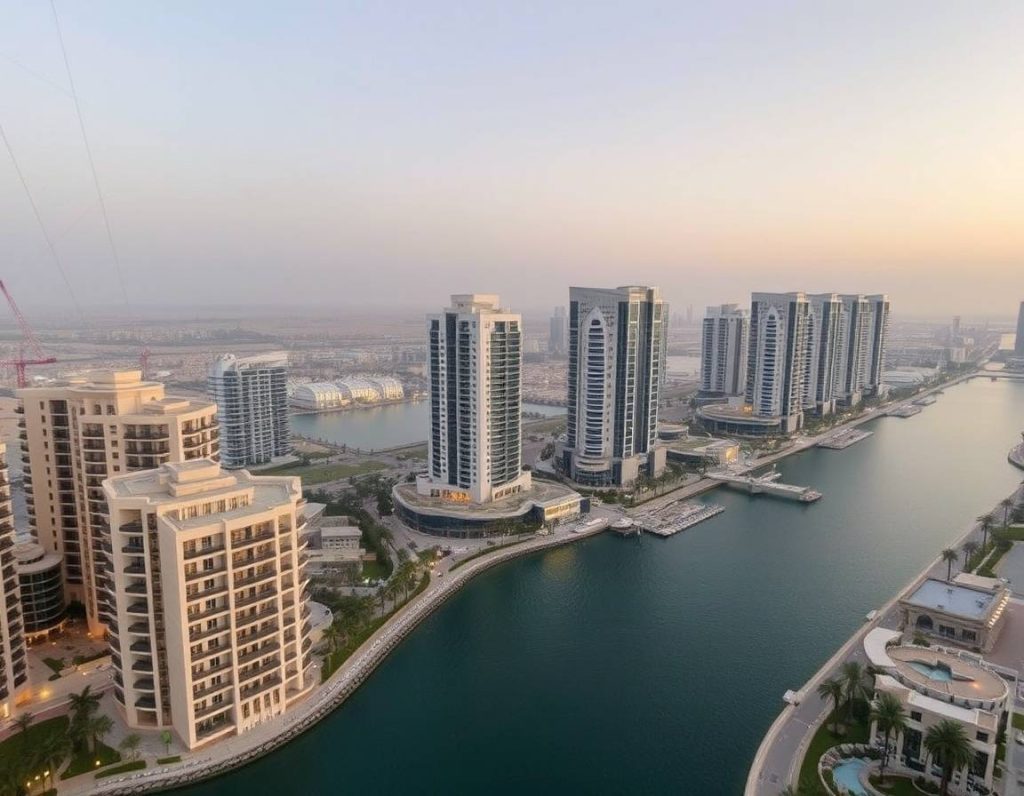
Dubai has become one of the most sought-after cities for property investment, and for expats, the appeal is even greater. With its strategic location, world-class infrastructure, tax-free income, and diverse real estate market, Dubai offers unique opportunities for foreigners looking to invest in property. In this blog, we will explore the advantages of Dubai property investment for expats, the legal framework for foreign ownership, and key areas to consider for investment.
Why Dubai?
Dubai is one of the fastest-growing cities globally, known for its innovation, luxury, and modern lifestyle. The city has become an economic hub and a key player in the global real estate market. Expats are particularly drawn to Dubai due to the high standard of living, diverse community, and tax benefits. Moreover, Dubai offers a high level of safety, excellent healthcare, and a cosmopolitan lifestyle that makes it an ideal destination for investors looking to buy property.
Benefits of Investing in Dubai Property for Expats
- Foreign Ownership Opportunities: One of the major attractions for expats is the ability to own property in designated freehold areas. This means that expats can enjoy the same rights as UAE nationals when it comes to buying and owning property in these zones.
- Tax-Free Income: Dubai has no capital gains tax, income tax, or property tax, making it one of the most tax-efficient destinations for property investment. This allows expats to maximize their returns on investment.
- High Rental Yields: The rental yields in Dubai are among the highest in the world, often ranging between 5-7% annually. This makes it a lucrative destination for property investors looking to earn passive income.
- Strong Capital Appreciation: Over the years, Dubai has seen steady capital appreciation in property values. Although property prices can fluctuate, long-term trends show growth, particularly in popular areas like Downtown Dubai, Dubai Marina, and Palm Jumeirah.
- Infrastructure Development: Dubai has invested heavily in its infrastructure, creating modern and well-connected communities. The Expo 2020 developments, the expansion of the Dubai Metro, and numerous master-planned communities add tremendous value to properties in Dubai.
Legal Framework for Foreign Investors
Foreign nationals have the right to purchase property in Dubai, subject to specific rules. Here's an overview of what expats need to know:
- Freehold vs. Leasehold: Expats can buy property in freehold areas, where they own 100% of the property. In leasehold areas, expats can lease the property for up to 99 years but do not own it outright.
- Ownership Restrictions: Foreigners can only own properties in designated freehold areas. Some of the most popular freehold areas include Dubai Marina, Palm Jumeirah, Downtown Dubai, and Jumeirah Village Circle.
- Residency Visa: Buying property in Dubai can lead to a residency visa, depending on the investment amount. Generally, a property investment of AED 1 million or more may make an expat eligible for a 2-year residency visa.
Key Areas to Invest in Dubai
When investing in Dubai, it's essential to choose the right location. Here are some of the most popular areas for expat property investment:
- Downtown Dubai: Home to iconic landmarks like the Burj Khalifa and the Dubai Mall, Downtown Dubai offers a range of high-end residential and commercial properties. It’s a prime location for both investors and renters.
- Dubai Marina: Known for its waterfront views, Dubai Marina is one of the most popular locations for luxury apartments and villas. The area offers a vibrant lifestyle with numerous restaurants, shops, and leisure facilities.
- Jumeirah Village Circle (JVC): JVC is a more affordable option compared to the more central areas of Dubai. It's a growing community with a range of villas and townhouses. This area is ideal for investors looking for high rental yields and long-term growth.
- Palm Jumeirah: For those with a higher budget, Palm Jumeirah offers luxury villas, apartments, and hotels. This iconic man-made island is one of the most prestigious addresses in the world and offers significant potential for capital appreciation.
- Dubai Hills Estate: A new development located near Downtown Dubai, Dubai Hills Estate is a master-planned community with a range of properties from townhouses to luxury villas. It offers excellent connectivity and is expected to see strong growth in the coming years.
Financing Your Property Investment
Expats can finance their property purchases in Dubai through various mortgage options available to foreign investors. Most banks in Dubai offer mortgage facilities to expats with competitive interest rates. However, the loan-to-value (LTV) ratio is typically lower for expats compared to UAE nationals. Foreign investors can borrow up to 75% of the property value for properties priced under AED 5 million and up to 60% for properties over AED 5 million.
Risks and Considerations
While Dubai offers numerous opportunities, it is essential for expats to consider the potential risks:
- Market Fluctuations: Like any real estate market, Dubai's property market can experience fluctuations. Economic conditions, changes in government regulations, and shifts in demand can affect property values.
- Regulatory Changes: The Dubai real estate market is well-regulated, but foreign investors should stay informed about changes to laws, ownership regulations, and visa policies that could impact their investments.
- Property Management: Expats who plan to rent out their properties should consider property management services, especially if they are not residing in Dubai. These services can help ensure that the property is well-maintained and rented out to reliable tenants.
Frequently Asked Questions (FAQ)
- Can expats own property in Dubai?
Yes, expats can own property in Dubai, but only in designated freehold areas. These areas allow foreigners to have full ownership of properties. - Do I need a UAE residency visa to invest in property?
No, you do not need a residency visa to invest in property in Dubai. However, if your property investment meets certain criteria (usually AED 1 million or more), you may be eligible for a residency visa. - What is the minimum investment required for property ownership in Dubai?
While there is no official minimum, for a property investment visa, you generally need to invest at least AED 1 million in real estate. - Is it a good time for expats to invest in Dubai’s real estate market?
Yes, Dubai’s real estate market offers high rental yields and capital appreciation potential. However, like any investment, it is important to research and choose the right location. - How do I finance my property investment in Dubai as an expat?
Expats can finance their property purchases through mortgage facilities offered by local banks. The loan-to-value (LTV) ratio for expats is generally 75% for properties under AED 5 million and 60% for those above AED 5 million.
Conclusion
Dubai offers a wealth of opportunities for expats looking to invest in property. With its tax-free environment, high rental yields, and strong capital appreciation potential, Dubai remains one of the most attractive markets in the world for foreign investors. Expats can benefit from owning property in this dynamic city, whether they are looking for a vacation home, rental income, or long-term growth. By understanding the legal framework, choosing the right areas, and staying informed about the market, expats can make sound property investments in Dubai.